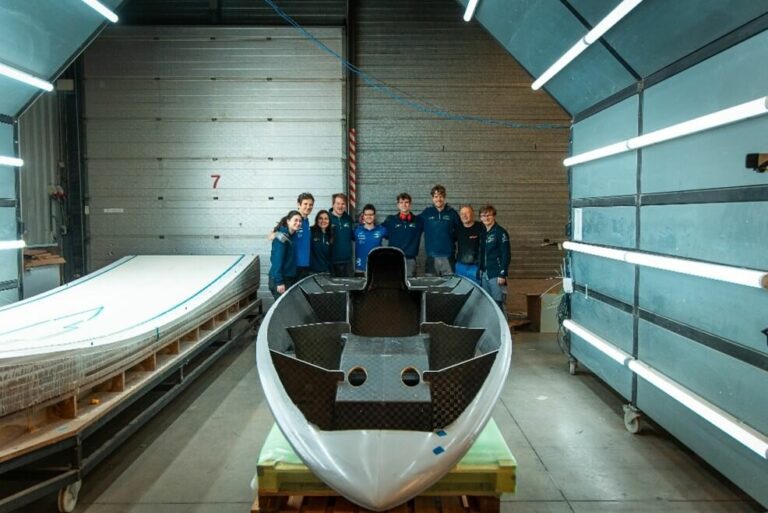
Every year, the Innoptus Solar Team pushes the limits of innovation as they design and build advanced solar‑powered vehicles. Competing on a global stage requires more than just cutting‑edge aerodynamics and lightweight materials, it demands manufacturing processes that are fast, precise, and engineered for performance.
In their 2025 build cycle, the team faced a familiar challenge: how to securely bond the vehicle’s occupant space to the aerodynamic outer shell without sacrificing structural integrity or aerodynamic performance. Traditional methods were slowing production and introducing unnecessary complexity. They needed a better way.
The Challenge: Strong, Lightweight Bonding Without Compromise
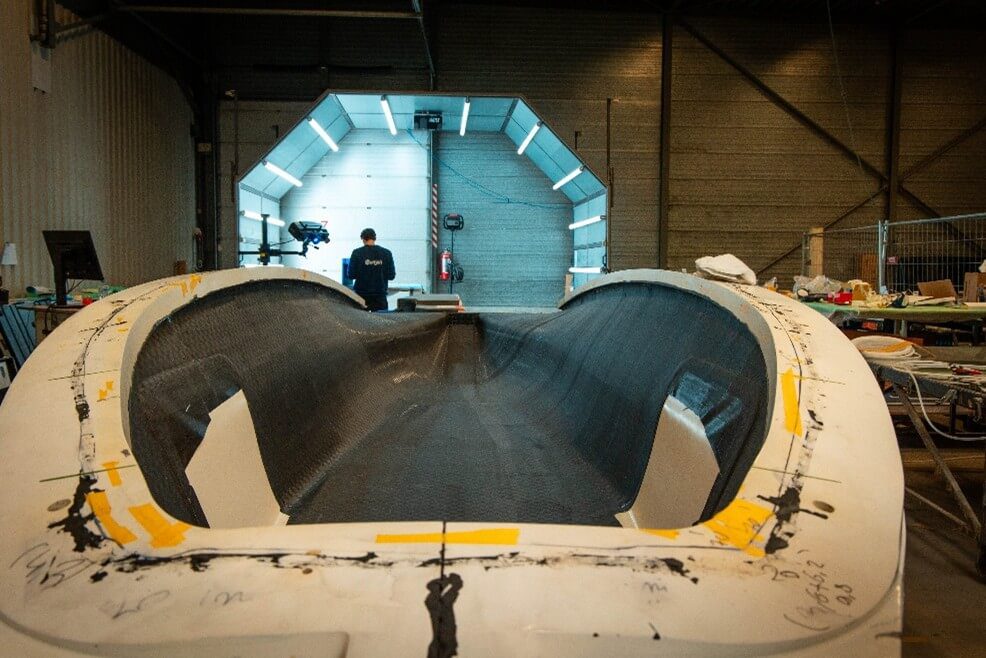
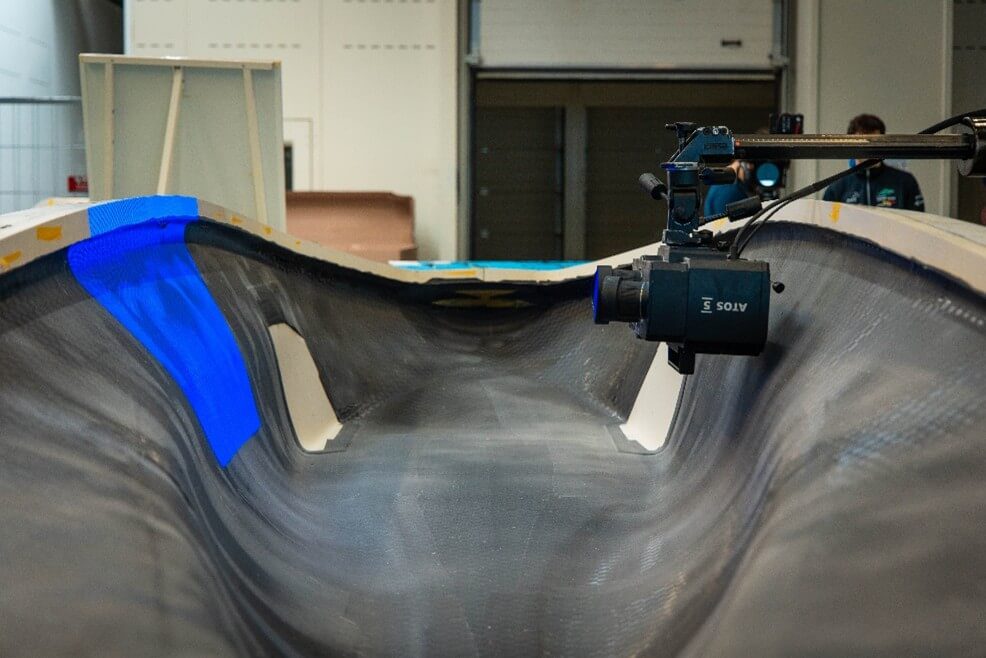
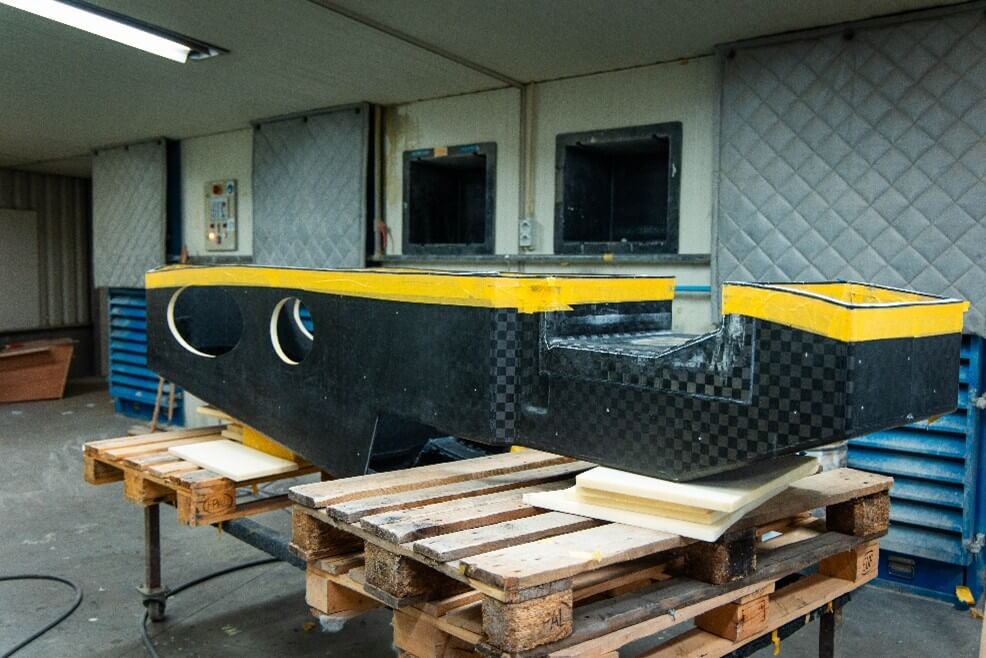
The solar team designs the outer shell and occupant space separately; each created in its own dedicated mold. After fabrication, both components are 3D‑scanned to ensure optimal alignment. Historically, these pieces were joined using a wet layup process, a method that, while functional, brought several drawbacks:
- Long production and cure times
- Difficult application process
- Added labor and handling
- More material usage than desired
Because mechanical fasteners would disrupt the vehicle’s aerodynamics, the team needed a bonding method that required no drilling, no hardware, and minimal surface prep, all while maintaining structural strength and keeping weight to a minimum.
Why Traditional Wet Layup Wasn’t Enough
Wet layup bonding had once been the go‑to method, but it introduced limitations that were increasingly unacceptable for a high‑performance solar vehicle program:
- Slow workflow: Cure times extended the assembly schedule significantly.
- Complexity: Applying wet resin consistently and neatly was labor‑intensive.
- Inefficiency: Overall production momentum was hindered by a bottleneck at the assembly stage.
The team needed a bonding solution that matched the pace and precision of modern solar vehicle design.
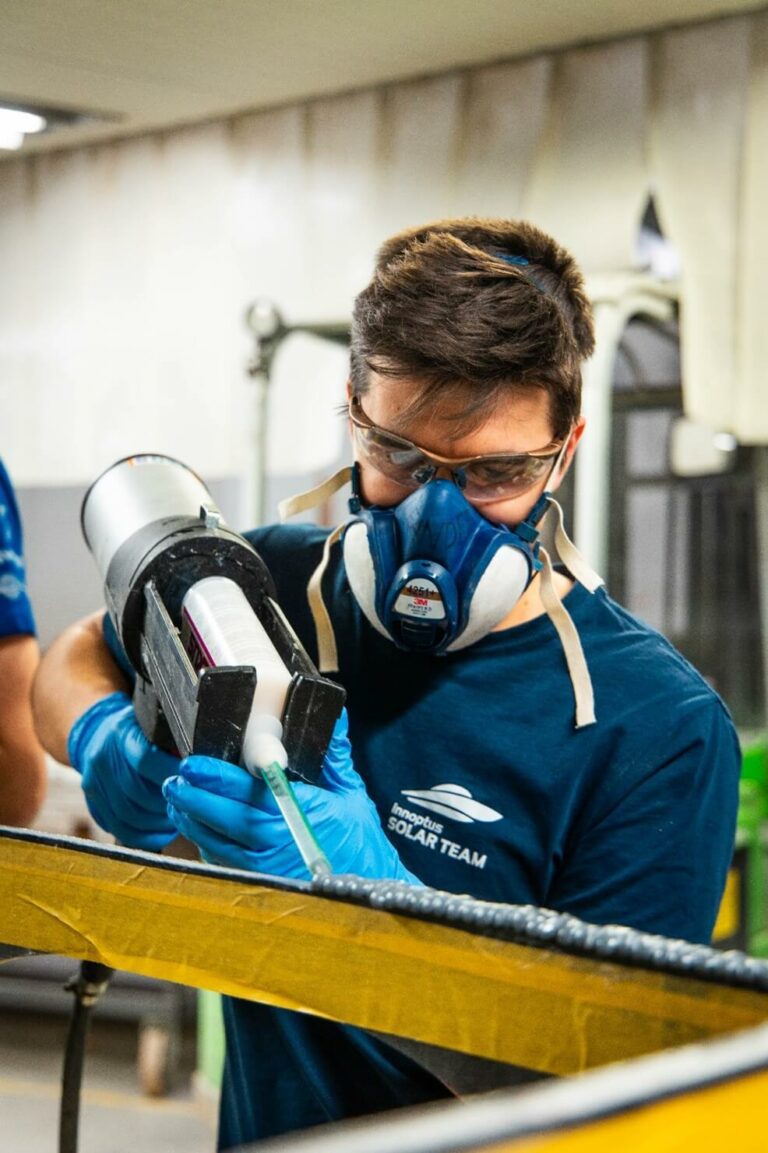
Enter Plexus MA530 and Plexus MA830, two high‑performance methyl methacrylate (MMA) adhesives ideal for structural bonding in lightweight composite designs.
Key Reasons the Team Chose Plexus:
- Fast cure time dramatically shortened assembly cycles
- Easy application compared to wet layups
- Strong, reliable bonds ideal for carbon‑fiber sandwich structures
- No extensive surface preparation needed
- Lightweight bonding method with no fasteners required
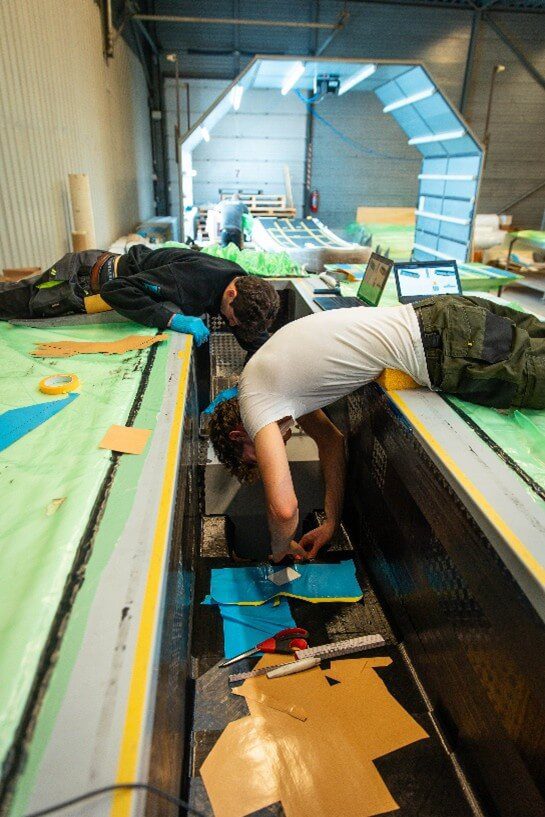
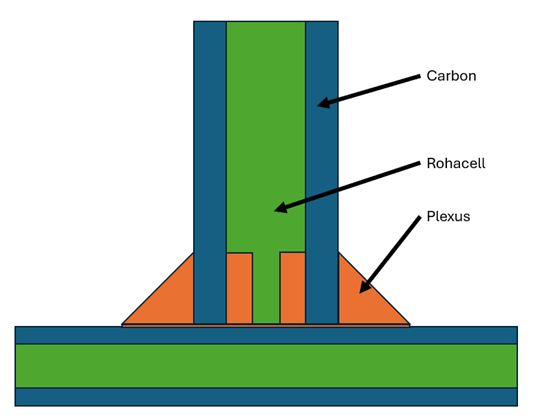
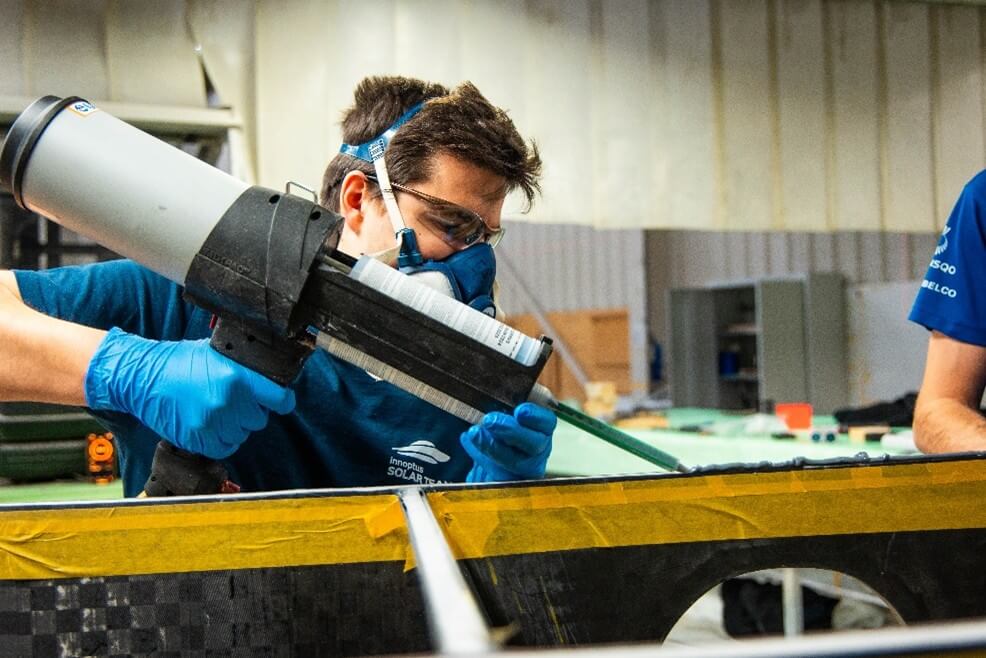
During production, the team applied peel ply during carbon layup, removed it during assembly, cleaned the surface, and applied the MMA adhesive directly. Two small slots were machined into the Rohacell core to further enhance adhesion, creating a robust mechanical interlock when paired with the Plexus adhesive system.
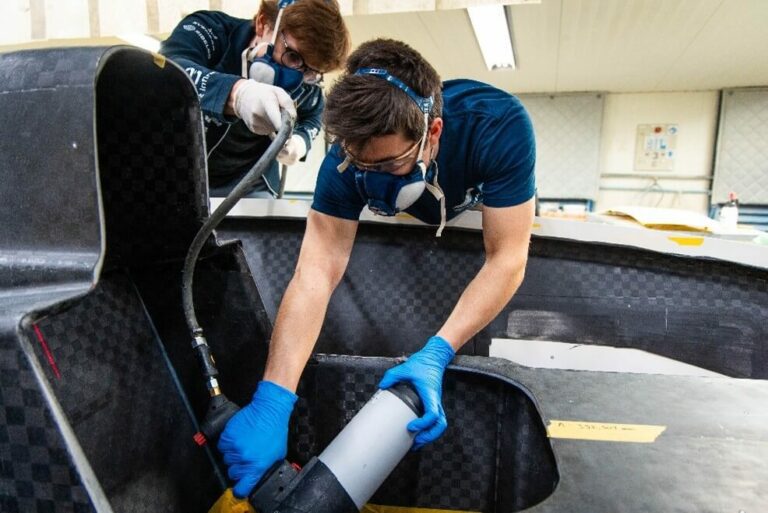
With the adhesive applied, the occupant space was positioned precisely into the bottom shell. The same method was used for bonding internal ribs, maintaining consistency across the vehicle’s structure.
A Faster, Smarter Manufacturing Process
The results were immediate and measurable:
✔ Significant Reduction in Production Time
Faster cure times and simplified application eliminated major workflow delays.
✔ Precision Without Added Weight
The team maintained aerodynamic purity and avoided the need for bolted or riveted joints.
✔ More Repeatable, More Reliable Assembly
The adhesive’s forgiving chemistry reduced application variability and improved consistency.
✔ A Better Fit for Composite Engineering
The MMA adhesives bonded seamlessly to the carbon–Rohacell–carbon layup, ensuring long‑term durability under racing conditions.
Driving Innovation in Solar Racing
The Innoptus Solar Team’s adoption of MA530 and MA830 exemplifies how advanced adhesive technology can transform manufacturing for high‑performance, lightweight vehicles. By replacing time‑consuming wet layups with fast‑curing structural adhesives, they’ve strengthened their design, improved efficiency, and gained valuable time during a critical phase of production.
As solar racing continues to evolve, innovations like these will help elite teams stay ahead of the competition, proving that sometimes, real progress happens not just on the racetrack, but in the workshop.